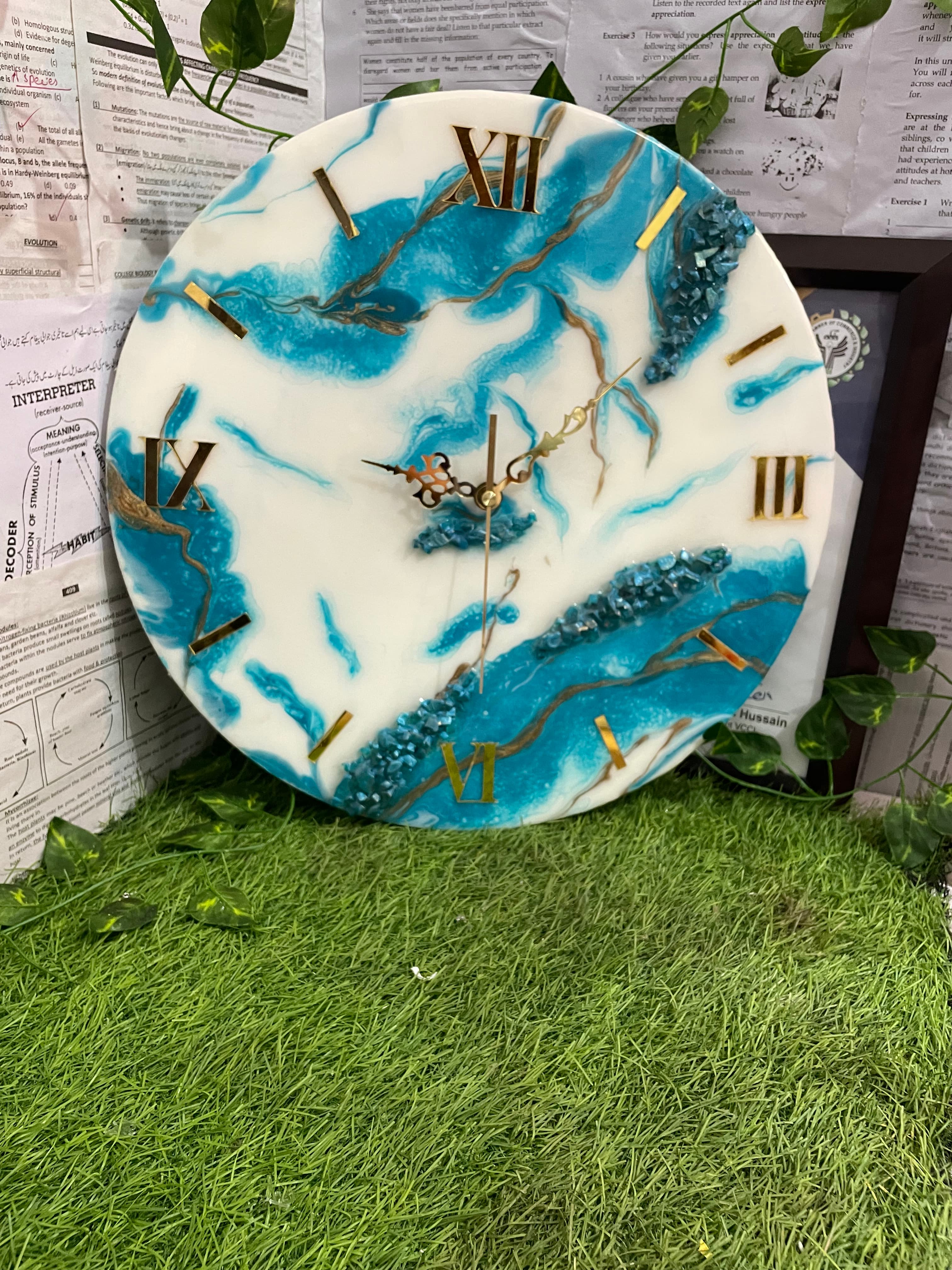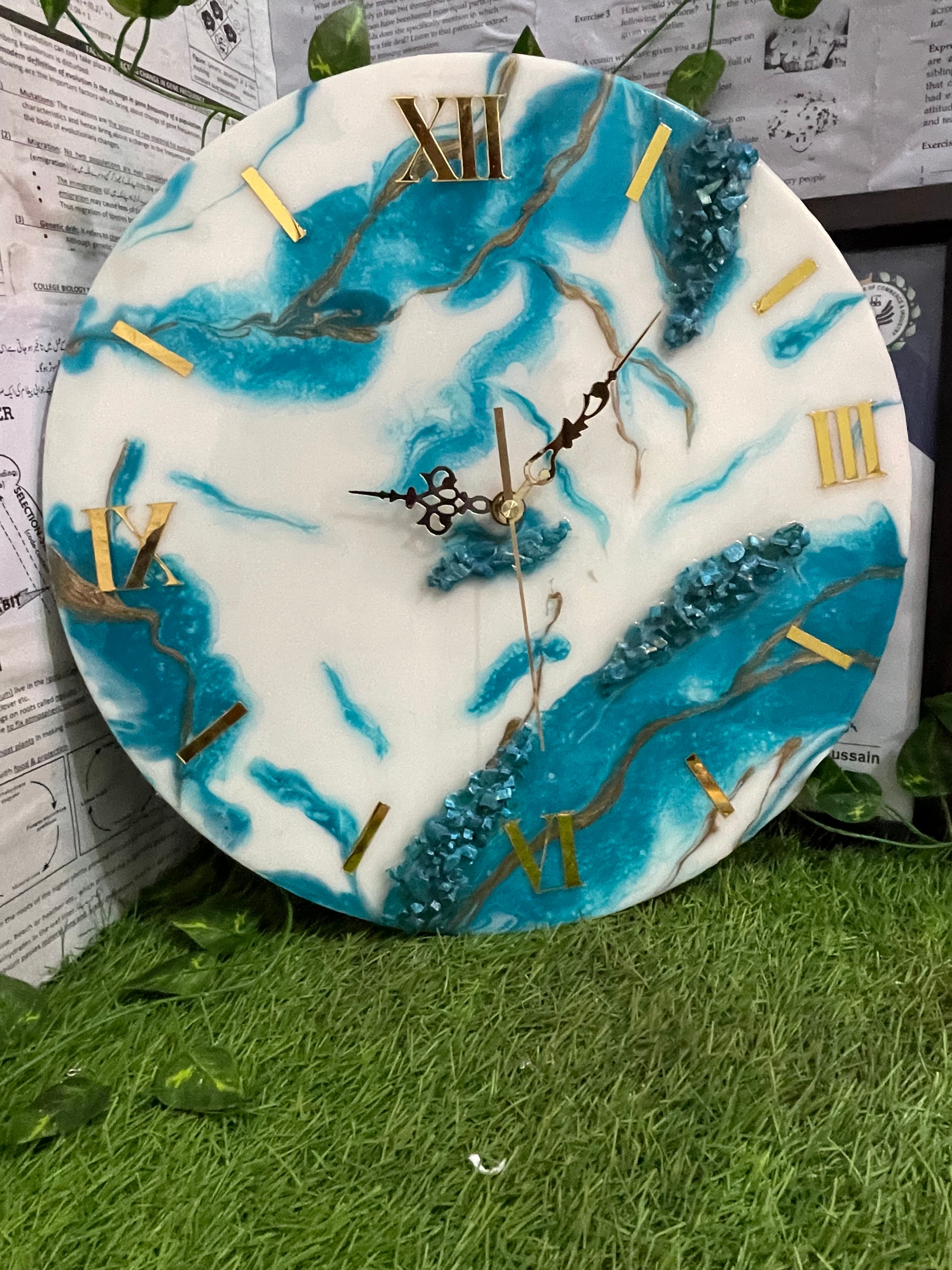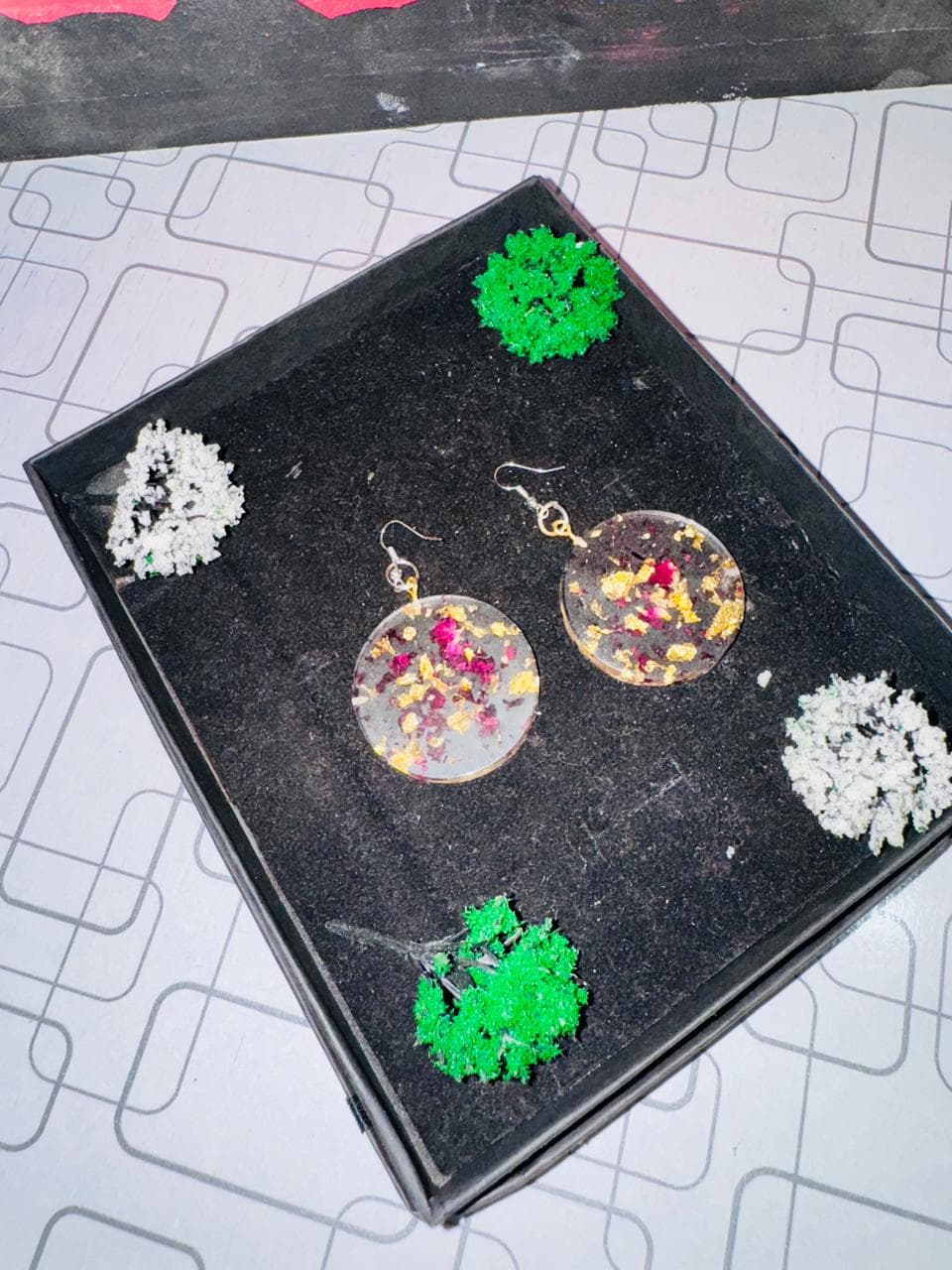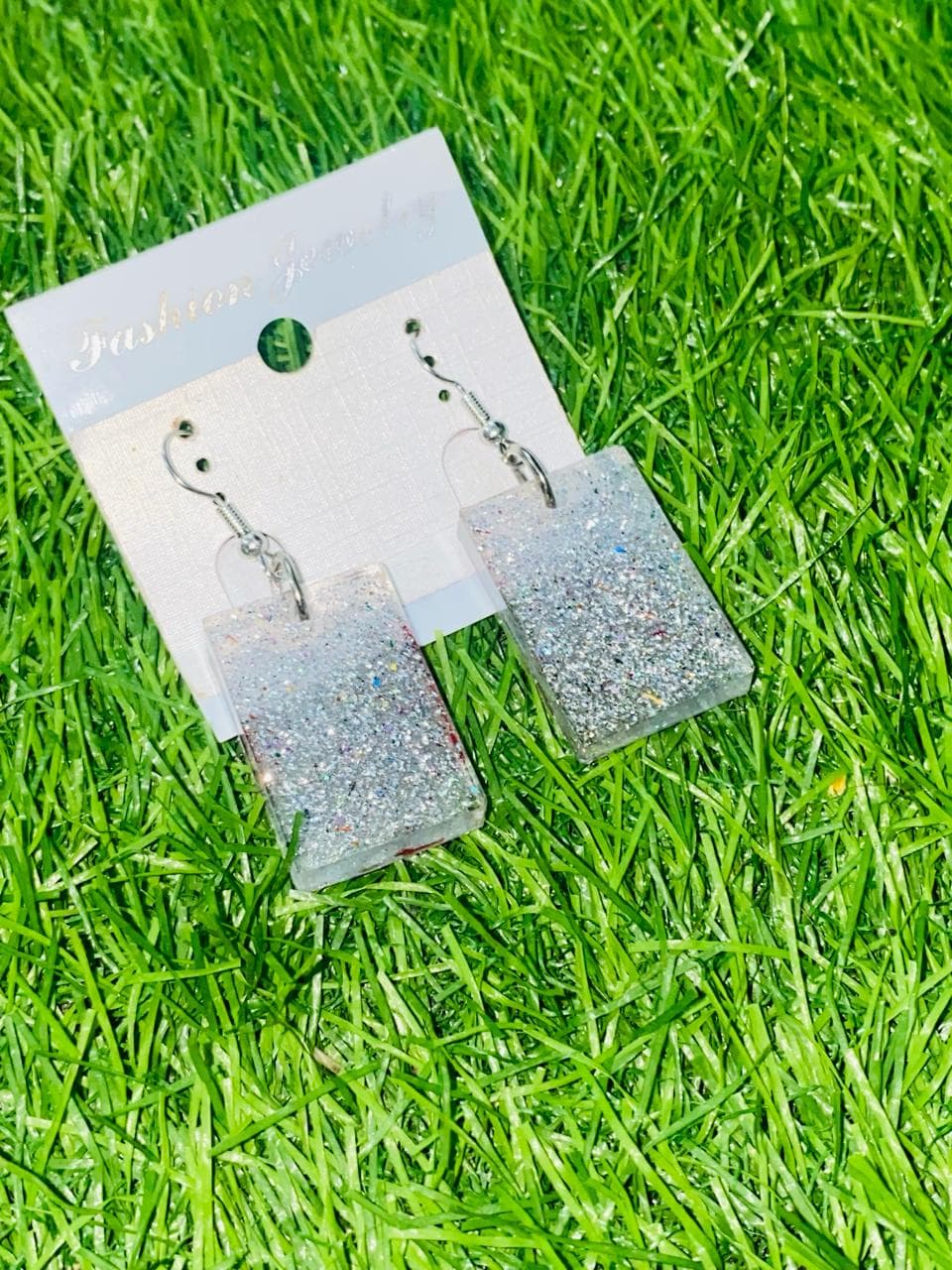

Behind the Pour: How a Resin Piece Is Made, Step by Step
Aqsa Hanif4 min read
From measuring and mixing to sanding and polishing, here is exactly what happens at our studio table before a custom resin piece reaches your door.
People often ask us why a custom piece takes 7–10 working days. The honest answer is that resin cannot be rushed. Every coaster, tray and Rehal that leaves our studio passes through the same slow, careful steps, and each one asks for patience.
So today we are opening the studio door a little wider. This is what really happens between your order and the moment your parcel arrives.
It Begins With a Conversation
Before any resin is poured, we talk. We ask about the colours you love, the name or initials you want, the occasion, and who the piece is for. A wedding thaal for a sister feels very different from a keychain for a best friend.
Once we agree on a design, we sketch the layout and choose the mould. Some pieces use silicone moulds we already have, like our 8 and 10 inch Umar coasters. Others need a little more planning, especially if dried flowers or lettering need to sit in a particular place.
Measuring and Mixing
Epoxy resin comes in two parts: the resin itself and the hardener. Depending on the brand, the ratio is usually 1:1 or 2:1 by volume. We follow the instructions on each batch exactly, because even a small mistake can leave a piece soft or sticky forever.
Here is how we mix, every single time:
- Measure both parts in clean, marked cups on a level surface.
- Pour the hardener into the resin, never the other way round for our batches.
- Stir slowly for 3–5 minutes, scraping the sides and bottom of the cup.
- Let the mix rest for a minute so larger bubbles can rise.
- Add pigments, mica powder or glitter only after the base is fully combined.
Slow stirring matters more than most people think. Whipping the resin quickly traps tiny air bubbles that are almost impossible to remove later.
Adding the Details
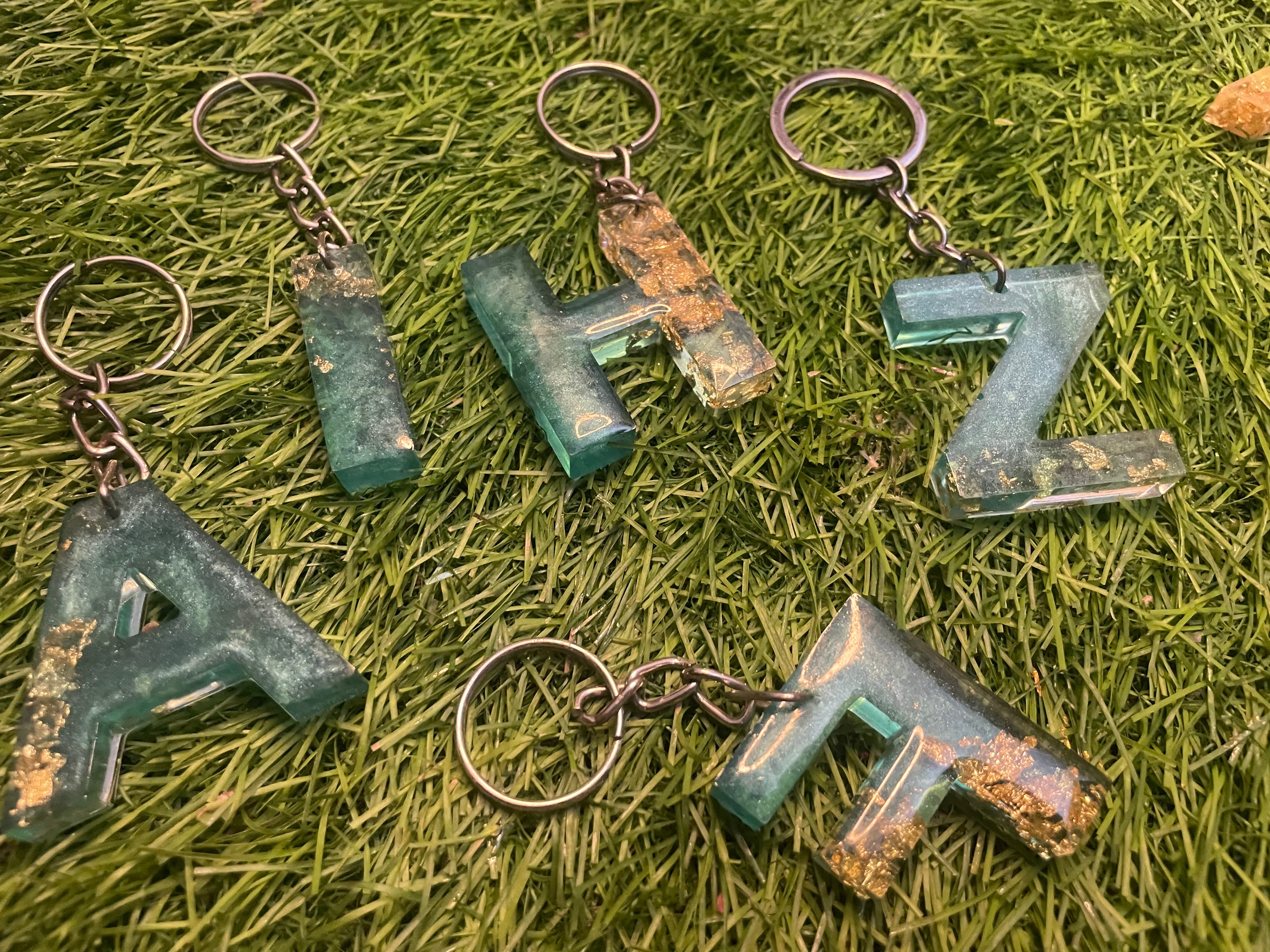
This is the part we love most. Gold flakes are placed with tweezers, one by one. Dried flowers are sealed first with a thin coat of resin so they don't release air or lose their colour. Names and letters are set carefully so they read straight and clear from the front.
For layered pieces, we pour in stages. A thin first layer holds the flowers or lettering in place, and once it has partly set, we pour the next layer over it. This gives that deep, glassy look where the details seem to float.
Popping the Bubbles
Right after pouring, we pass a heat gun or a small torch lightly across the surface. The warmth brings bubbles to the top, where they pop. We keep the flame moving and never hold it in one spot, because too much heat can scorch the resin or warp the mould.
We check again after ten or fifteen minutes. Sometimes a few stubborn bubbles appear late, especially around flowers.
Resin teaches you to wait. The more you hurry it, the more it shows.
Curing, Then Demoulding
Once poured, the piece is covered to keep dust away and left to cure. Most of our pieces need between 24 and 72 hours, depending on thickness, the brand of resin and the weather. Thicker items like trays and Rehal panels need the longer end of that range. In Pakistani summers, warm rooms speed things up; in winter we often wait longer.
Demoulding is a quiet, slightly nervous moment. We gently flex the silicone away from the edges and ease the piece out. If it bends or feels tacky, it goes back to rest. A piece that is demoulded too early can lose its shape.
Sanding and Polishing
Fresh from the mould, the edges are often sharp or uneven. We sand them by hand using wet sandpaper, moving through the grits slowly:
- 400 grit to shape the edge and remove rough spots
- 800 and 1000 grit to smooth the scratches left behind
- 1500 and 2000 grit to prepare the surface for polishing
Wet sanding keeps the dust down and gives a finer finish. After the last grit, we polish the edges until they catch the light. On some pieces, we add a thin final coat of resin along the edge for an extra glossy look.
The Final Check
Before anything is packed, we hold it up to the window and look closely. We check for bubbles, dust specks, cloudy patches and any marks on the lettering. If a piece doesn't meet our standard, we remake it. That is one more reason we keep our timeline realistic.
Then it is wrapped with care, packed snugly, and sent out with Cash on Delivery to wherever you are in Pakistan.
Why We Share This
We want you to know what you are holding. Each piece is made by hand, in small batches, with time and attention you can't see but can feel. When you order from MHER Resin Studio, you aren't buying something off a shelf. You are waiting for something that is being made just for you.
And we think that is worth a few extra days.